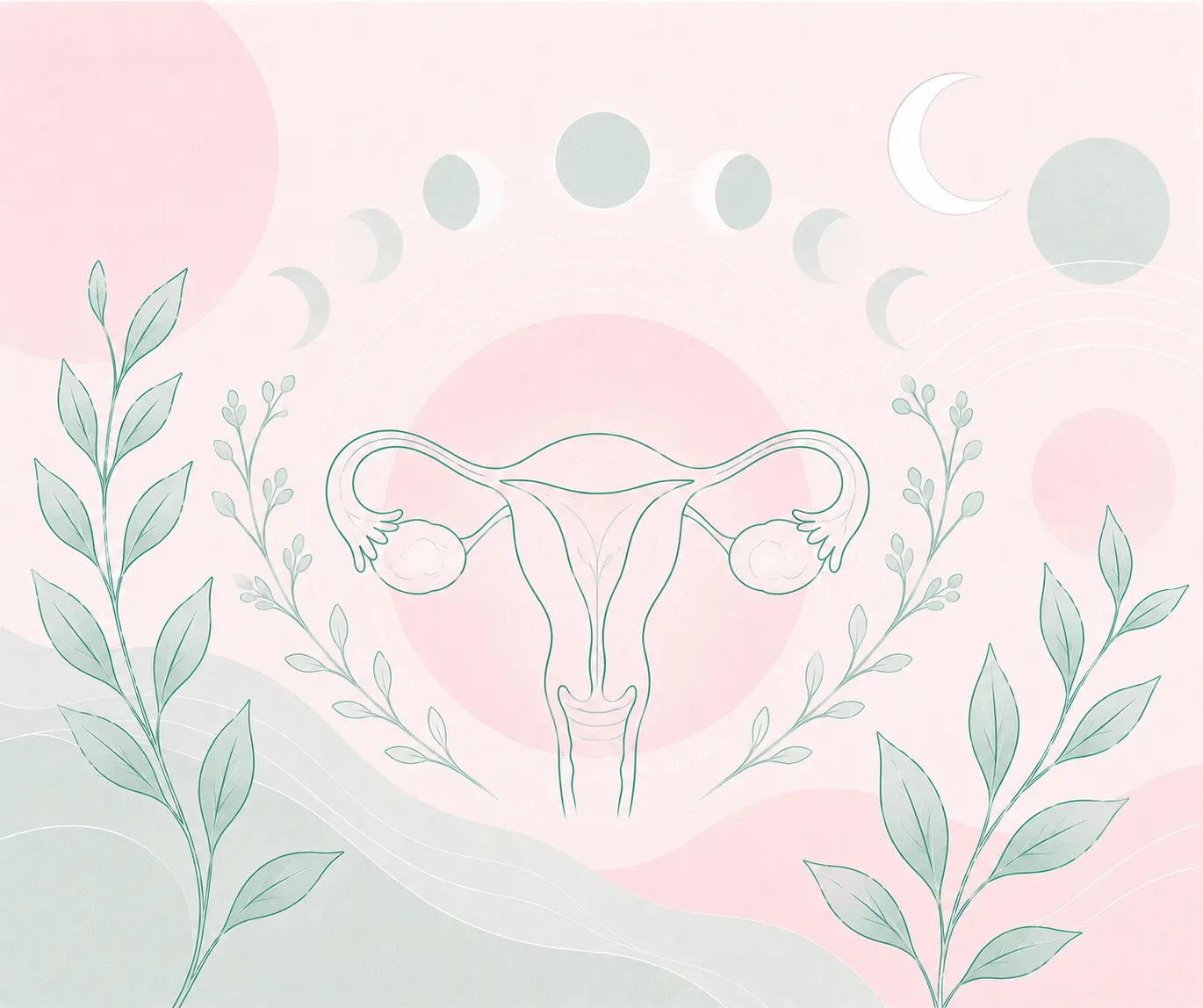
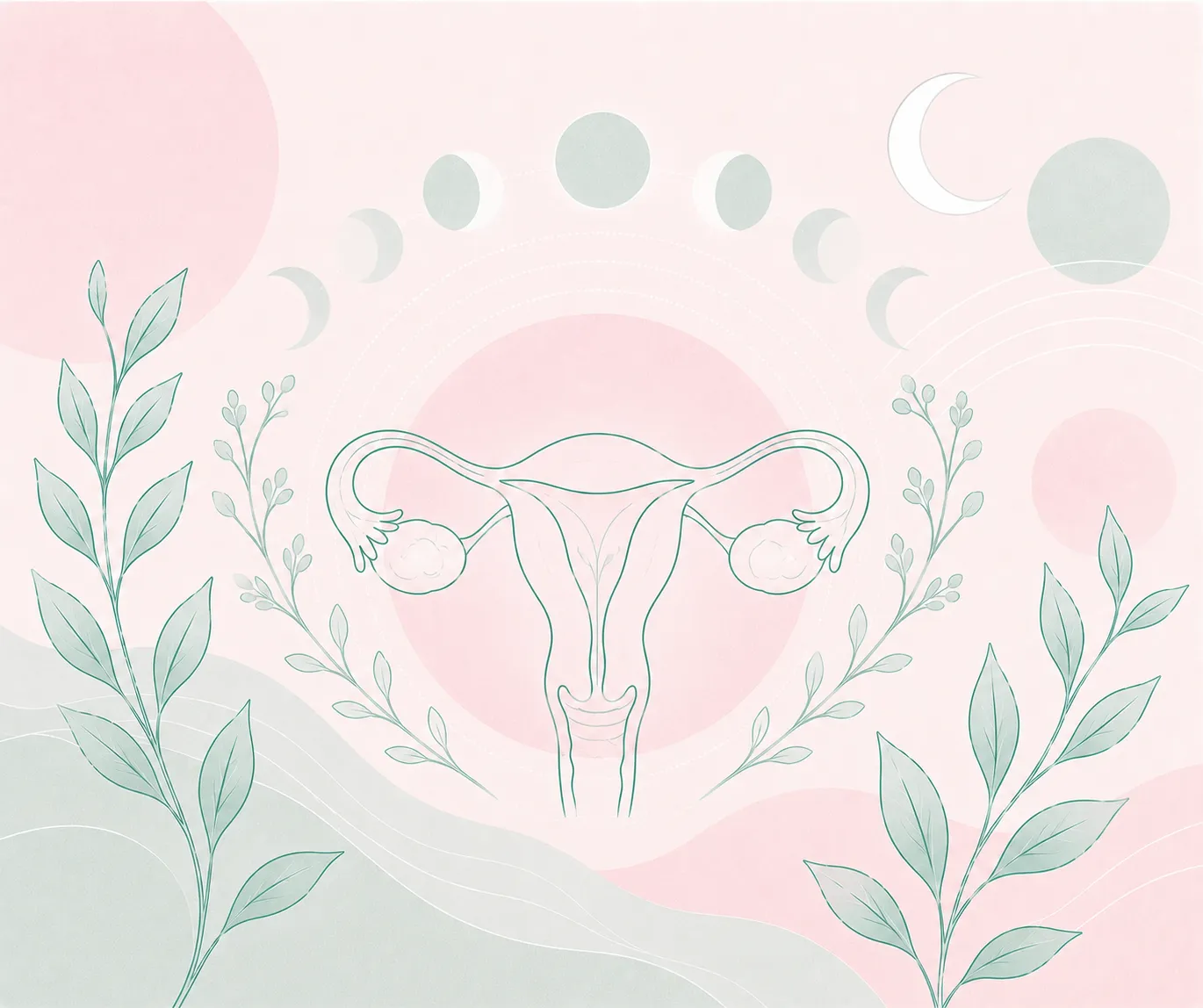
Maintaining Balanced Hormones with Acupuncture and Everyday Choices
<p>Hormones shape key aspects of women’s wellbeing, from regulating menstrual cycles to guiding the transition into menopause. When they’re balanced, everything runs smoothly, but a dip or surge can…
- Published
- Written by
- Women In Balance Team
- Reading time
- 6 minutes
Hormones shape key aspects of women’s wellbeing, from regulating menstrual cycles to guiding the transition into menopause.
When they’re balanced, everything runs smoothly, but a dip or surge can lead to irregular periods, fertility troubles, and more intense menopausal changes.
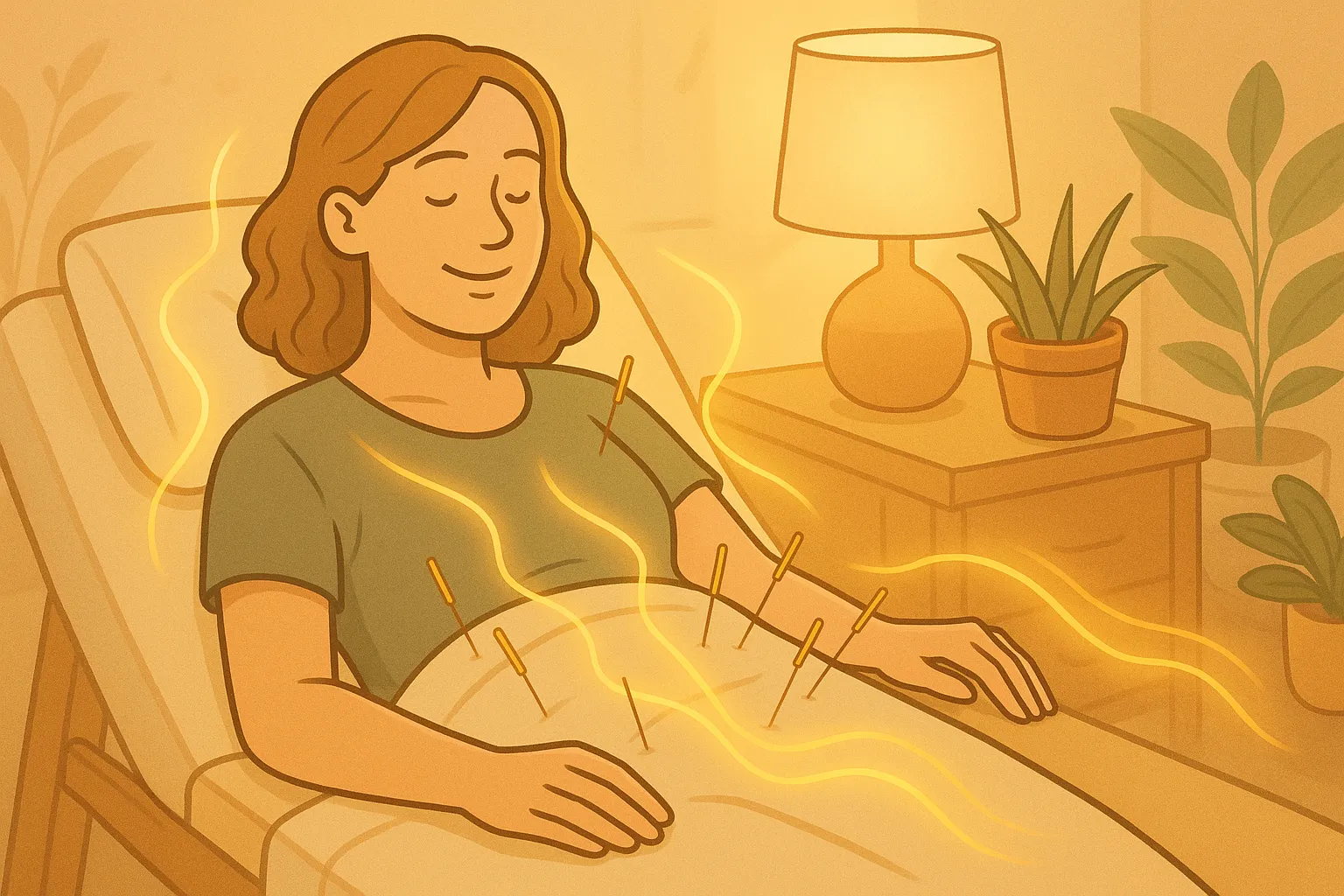
Acupuncture, a time-honoured technique in Traditional Chinese Medicine, supports hormone balance by boosting circulation and fine-tuning the hypothalamus-pituitary-ovarian axis.
Stimulating precise points on the body can help ease stress, reduce menstrual pain, and support reproductive health, making it a valuable therapy for addressing hormone imbalances.
Fundamental Concepts of Hormonal Balance
Oestrogen, progesterone, and testosterone each have vital roles in supporting women’s wellbeing.
Oestrogen helps keep the reproductive system on track, influencing periods, bone strength, and heart health.
Progesterone prepares the uterus for pregnancy, manages menstrual cycles, and can even aid in keeping mood and sleep on an even keel.
Though often linked with men, testosterone is also important in women for preserving muscle, maintaining bone density, and boosting libido and energy.
Hormone imbalances can occur for various reasons. Ongoing stress increases cortisol levels, disrupting the regular communication between the hypothalamus, pituitary, and ovaries.
Lifestyle behaviours, such as an unhelpful diet, too little rest, or limited exercise, further strain the system. Major life phases, from puberty and regular cycles to perimenopause and menopause, can tip hormones off balance, leading to irregular periods, shifting moods, and fatigue.
Acupuncture According to Traditional Chinese Medicine
In Traditional Chinese Medicine, hormonal balance is viewed as a dynamic interplay between Yin and Yang. Oestrogen is linked to Yin, reflecting nourishment, coolness, and moisture, while progesterone aligns with Yang, expressing warmth, activity, and change.
This concept underpins acupuncture’s approach to hormonal imbalances, aiming to restore balance between Yin and Yang.
A steady flow of Qi through key channels is considered vital for reproductive health. The Kidney and Liver channels, in particular, play a significant part in regulating these processes.
They act as pathways for Qi, allowing the energy needed for hormonal balance to move freely throughout the body. When these channels are blocked or unbalanced, issues like irregular periods, PMS, infertility, and menopausal symptoms may arise.
By choosing specific acupuncture points along the Kidney and Liver channels, practitioners encourage Qi to circulate smoothly. This helps maintain the natural relationship between Yin and Yang and supports healthy oestrogen and progesterone levels.
Through this method, acupuncture focuses on addressing disruptions in Qi flow that can contribute to hormonal imbalances, fostering improved reproductive well-being.
How Acupuncture Supports Hormone Regulation
Influence on the Hypothalamic-Pituitary-Ovarian Axis
Acupuncture may help regulate the hypothalamic-pituitary-ovarian (HPO) axis by stimulating specific acupoints involved in controlling key reproductive hormones.
It is thought to influence the hypothalamus, which drives the release of gonadotropin-releasing hormone and prompts the pituitary to release luteinizing hormone and follicle-stimulating hormone.
Keeping this chain of hormonal signals on track is vital for regular ovulation and healthy reproductive function.
Acupuncture can also reduce stress by prompting the release of endorphins and lowering cortisol levels, thereby easing the strain on the HPA axis.
Improved blood flow to the reproductive organs may further support hormone balance, facilitating steadier ovulation and more predictable menstrual cycles.
Stress Reduction and Cortisol Levels
Acupuncture stimulates specific nerve fibres that encourage the release of endorphins. These mood-boosting chemicals help trigger a calming response, countering the overproduction of cortisol, an excess that, over time, disrupts hormone levels.
Lowering cortisol can ease stress and also aid the normal function of other endocrine glands. This ripple effect is vital because chronic cortisol imbalance can undermine the regulation of reproductive hormones and other key processes, potentially leading to menstrual irregularities and mood issues.
By reducing stress, acupuncture helps the body manage hormones more smoothly. In doing so, it supports a more stable hormonal balance, promoting overall stability.
Improving Blood Flow
Acupuncture enhances blood flow by stimulating specific points that encourage vasodilation.
This process enhances oxygen and nutrient delivery to reproductive organs, which are essential for hormone production and balance.
Better circulation also supports the metabolic work of the ovaries and uterus, promoting efficient function.
A steady supply of oxygen and nutrients preserves tissue health and fosters a calmer hormonal environment.
This vascular support helps maintain hormone levels, such as estrogen and progesterone, within the optimal range.
Stable hormones are key for a consistent menstrual cycle and overall reproductive wellbeing.
Common Hormonal Imbalances Addressed by Acupuncture
Acupuncture helps address common hormonal imbalances by targeting the body’s networks that regulate menstrual cycles, menopause, and fertility.
For women dealing with irregular periods, including PMS and polycystic ovary syndrome, how acupuncture helps with irregular menstruation is often explained by its ability to encourage more predictable cycles by boosting blood flow to the reproductive organs and promoting a steadier hypothalamic-pituitary-ovarian axis.
This support can help ensure regular ovulation and ease symptoms like mood swings and intense cramps. For those going through menopause, it often takes the edge off hot flushes and reduces night sweats, while its calming influence on stress hormones can provide added relief.
When fertility is a concern, acupuncture is frequently an extra measure to encourage better conditions for ovulation. By improving circulation and reducing cortisol levels, it can enhance reproductive health and potentially improve the outcomes of standard fertility treatments.
Integrating Complementary Lifestyle Approaches
Lifestyle habits can enhance the effectiveness of acupuncture in supporting balanced hormones.
Eating well provides the nutrients vital for hormone production, including omega-3 fats, high-quality proteins, and vitamins D and B-complex. Ground flaxseeds can be especially helpful in maintaining a healthy level of estrogen.
Regular exercise and good-quality sleep matter just as much. Moderate activities, such as brisk walks, cycling, yoga, or dancing, help manage insulin and encourage blood flow, which supports your hormonal system. Sticking to a set bedtime helps your body regulate cortisol and melatonin more naturally.
Practical stress-management techniques also work well alongside acupuncture. Simple habits, such as slow, controlled breathing or gentle movement exercises, can help lower stress and limit its harmful effects on hormones. Over time, these methods, combined with acupuncture, can foster overall wellness and set the stage for more balanced hormones.
Essential Considerations When Seeking Acupuncture
During an initial consultation, patients can expect a thorough review of their hormonal history, current symptoms, lifestyle habits, and any previous treatments they have received.
This assessment is crucial for developing a plan tailored to each individual’s specific health needs.
Practitioners often explain that acupuncture addresses hormone imbalances by stimulating specific points, typically along the Kidney and Liver channels, to promote healthy circulation and support the hypothalamic-pituitary-ovarian axis.
Treatment plans are typically tailored to the individual, with session frequency and duration adjusted according to symptom severity and the patient’s response to initial treatments. In many cases, sessions may be scheduled weekly at first, then spaced further apart as hormone stability improves.
Patients should consult qualified professionals to confirm that the therapy is safe, effective, and can be smoothly integrated with any standard medical treatments.
Key Insights for Ongoing Hormonal Wellness
Consistent acupuncture sessions, combined with regular self-care, establish a solid foundation for maintaining steady hormone balance. Each visit helps the body fine-tune natural hormone production and keep things on track.
Acupuncture yields stronger results when combined with supportive lifestyle habits. Organizing balanced meals, engaging in moderate exercise, and finding effective ways to manage everyday stress all help your hormones function smoothly.
Bringing these approaches together encourages a healthier hormonal rhythm and boosts your overall sense of wellbeing. It’s a coordinated effort between acupuncture and daily routines that strengthens your body’s ability to manage shifts in hormone levels over time.